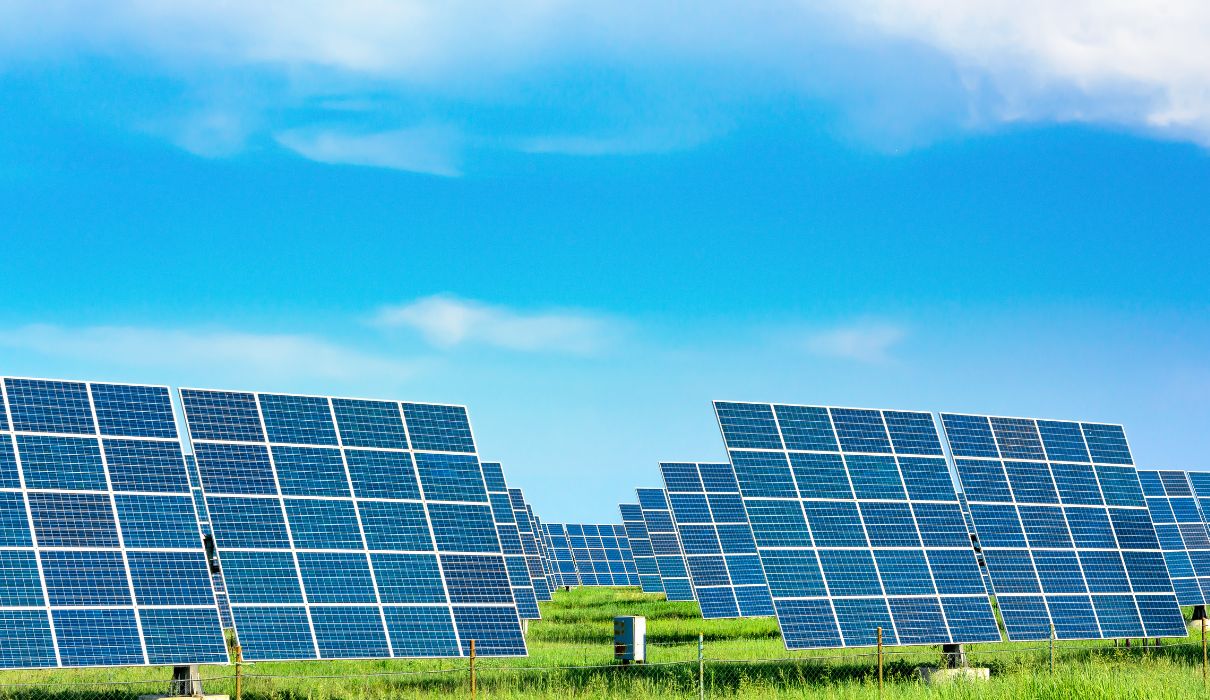
Here's a question that surprises most solar buyers: during a blackout, does your solar system keep running?
For a standard grid-tied system, the answer is no. And the reason is a safety feature, not a design flaw.
Why grid-tied solar shuts off during outages
When the utility grid goes down, utility workers need to repair lines safely — often working on lines they believe to be dead. If a solar system kept feeding power back into the grid during a blackout, those lines would be live, and someone could be seriously hurt.
So all grid-tied inverters are required by code to include an "anti-islanding" feature: as soon as they detect the grid is down, they shut off. Your panels are still producing — physically — but the inverter refuses to convert that DC to usable AC until the grid comes back.
This applies even on a sunny day. Your roof is covered in panels producing electrons, and your house has no power. It's counterintuitive, but it's protecting the workers fixing the outage.
How to have solar power during a blackout
If keeping power during outages matters to you — and for some homeowners and most commercial operations it does — you need one of the following:
Option 1: Hybrid inverter + battery storage
A hybrid inverter can switch modes: grid-tied when the grid is up, isolated (island) mode when the grid is down. It draws on battery storage (and ongoing solar production during daylight) to power designated circuits in your home or facility. Most flexible option; also the most expensive.
A whole-home backup for 8 hours is expensive. A "critical loads" setup that keeps fridges, lights, and a few outlets running for 24 hours costs a fraction of that — and covers 95% of what most homeowners actually need during an outage.
Option 2: Automatic transfer switch (ATS) with separate generator
Grid-tied solar stays grid-tied; a separate generator (fuel or battery) handles blackouts via automatic transfer switch. Separates concerns: solar for bill reduction, generator for backup. Sometimes simpler to maintain but requires two systems.
Option 3: Full off-grid
The system never connects to the grid at all. Panels, batteries, inverter, generator backup. Works everywhere but requires large battery capacity to handle cloudy stretches. Usually only makes economic sense where grid connection is impossible or prohibitively expensive.
Retrofit considerations
If you already have a grid-tied system and want to add backup capability, your options are:
- Replace the inverter with a hybrid model (significant cost, but preserves existing panels).
- Add a separate battery system that can island your critical loads (possible, but complex if the original system wasn't designed for it).
- Add a standby generator with ATS (simplest retrofit; separate concerns from the solar).
Which is right depends on how often outages happen, how long they last, and what you actually want to keep running during one.
The question to ask before you install
"If the grid goes down at 2pm on a sunny day, what happens?" Ask this during the consultation. The answer will tell you whether the system is grid-tied (lights out), hybrid (backup on designated circuits), or off-grid (always on). Make sure the answer matches what you actually want.